

Notre mission
La Congrégation des Petites Sœurs de l’Assomption a été fondée en 1865 en France, au début de l’industrialisation par Etienne PERNET, Assomptionniste, et Antoinette FAGE dans le but de « procurer la Gloire de Dieu par le salut des pauvres et des petits ».
SOLIDARITÉ
Jésus est le visage humain de Dieu. Par son Incarnation, il s’engage sur un chemin de solidarité avec toute l’humanité. Contempler sa vie depuis sa naissance à Bethléem, les jours de Nazareth, en passant par la Galilée jusqu’à la croix, c’est contempler un Dieu d’une telle tendresse pour les petits qu’il en vient à s’identifier à eux, à partager leur même sort. Ce Dieu est celui que nous avons inscrit dans nos entrailles depuis la fondation même de la Congrégation.
LA RÉCIPROCITÉ
Notre mission nous conduit dans les milieux populaires, vers les exclus, les sans voix, les « déplacés », attentifs aux causes de désintégration familiale ; particulièrement proche des jeunes et des femmes en difficulté
COMMUNAUTÉ
En communauté, lors de la prière communautaire, nous nous retrouvons autour de la Parole de Dieu et sûrs de son amour, nous essayons de transmettre la joie qu’Il nous donne. Marie dans son Assomption fortifie notre espérance.
Découvrez comment sont nées les Petites Sœurs
Notre actualité
Découvrez les dernières nouvelles de la Congrégation.

Commémoration des 30 ans des Martyrs d’Algérie
30 ans des martyrs d’Algérie : souvenirs, prière et espérance lors de la célébration commémorative à Aiguebelle le 10 mai 2026
Read more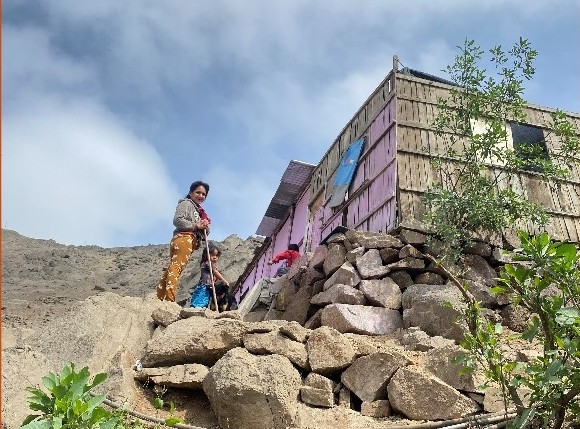
En mission à Lima, Pérou : semer l’Espérance dans le quotidien, une expérience qui transforme
À Huancayo, le soutien scolaire Semillas de Esperanza fait grandir enfants et bénévoles dans la confiance, l’écoute et l’espérance à travers un accompagnement quotidien.
Read more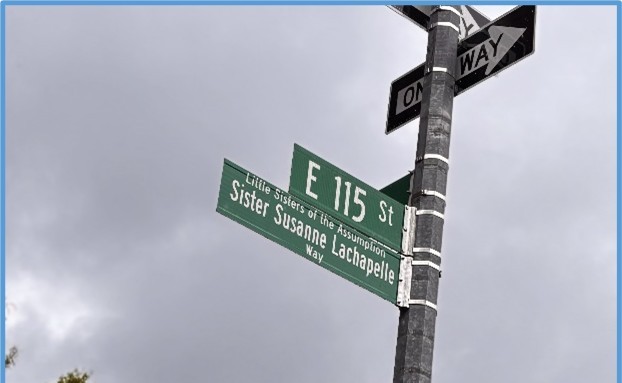
A NYC : une rue baptisée en l’honneur de Sr Susanne Lachapelle
À New York, une rue rend hommage à Sr Susanne Lachapelle, infirmière et engagée auprès des plus pauvres d’East Harlem, symbole de justice, de service et de compassion.
Read moreNotre présence
Les Petites Sœurs de l’Assomption sont présentes dans 20 pays sur tous les continents.
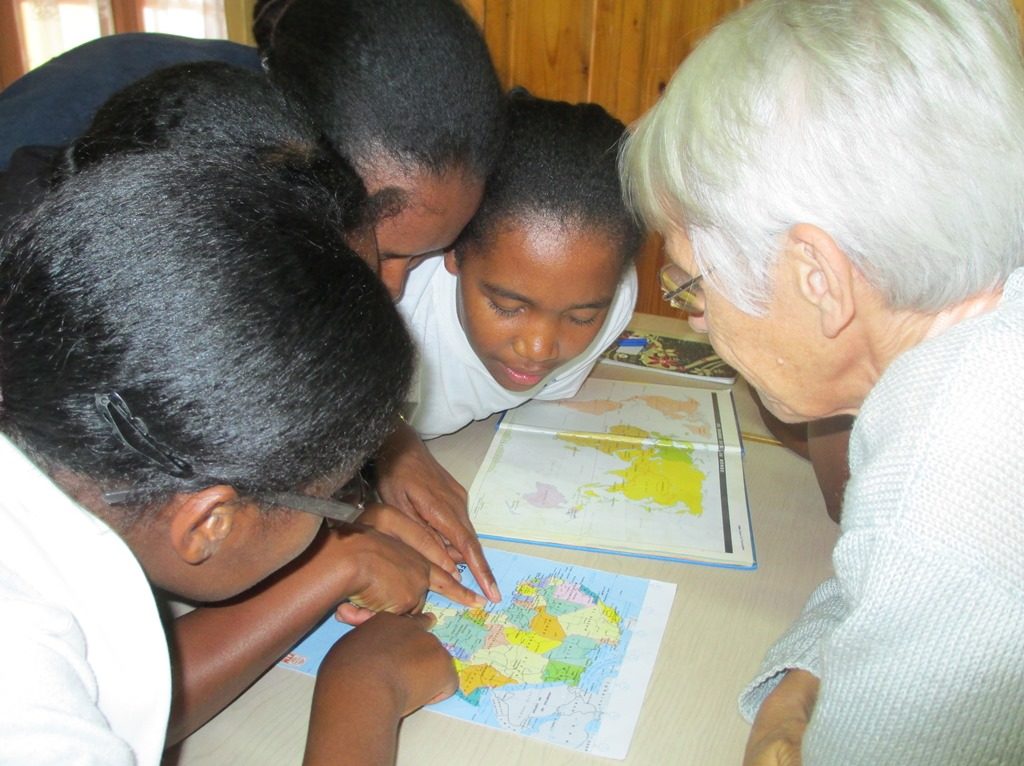
Vous êtes bienvenus!
En choisissant de donner la priorité à Dieu dans nos vies, nous trouvons un bonheur profond et la liberté des enfants de Dieu.
Ce bonheur, cette liberté, est avec tous nos contemporains que nous aimerions partager.
Peut-être que la vie religieuse chez les Petites Sœurs de l’Assomption pourrait aussi être pour vous un chemin de vie et de joie ?
Idée folle ?… Prenez le temps d’y réfléchir !
Contactez-nous
Remplissez notre formulaire pour toutes informations ou si vous souhaitez nous soutenir

Les religieuses de l’Assomption

Les Augustins de l’Assomption

Les Oblates de l’Assomption

Les Orantes de l’Assomption